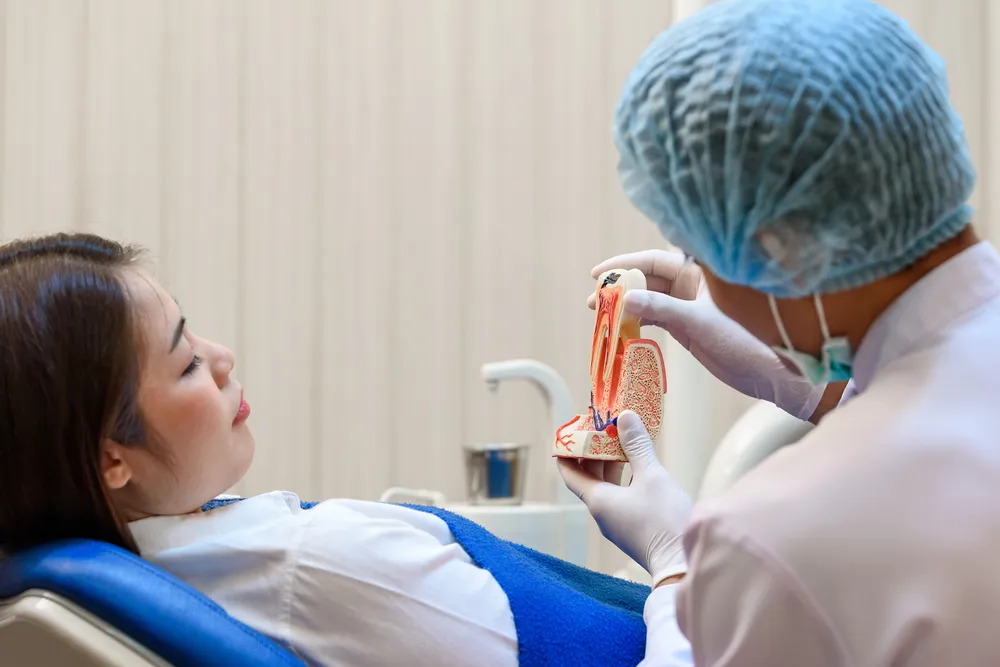
What Qualifies as Dental Trauma
Dental trauma encompasses any injury to the teeth, gums, jawbone, or surrounding soft tissues caused by an external force. It ranges from minor chips and cracks to complete tooth avulsion, where the tooth is fully displaced from its socket. Children, adolescents, and adults who participate in contact sports are at the highest risk.
Types of Dental Injuries
Chipped teeth involve a small piece of enamel breaking off the tooth surface. Cracked teeth may have a fracture line running vertically through the crown, sometimes extending into the root. Luxated teeth are displaced from their normal position but remain in the socket. Avulsed teeth are completely knocked out. Each type requires a different treatment approach, which is why accurate diagnosis through examination and imaging is the essential first step.
What to Do Immediately After a Dental Injury
The first few minutes after dental trauma determine whether a damaged tooth can be saved. Knowing how to respond properly can preserve tooth viability and reduce the extent of treatment needed.
If a Tooth Is Knocked Out
Pick the tooth up by the crown and avoid touching the root. Rinse it gently with clean water if it is dirty, but do not scrub or remove attached tissue. Attempt to place the tooth back into the socket and hold it in position with gentle pressure. If that is not possible, store it in milk, saline, or a tooth preservation product. Reach the dentist within 30 minutes, because the chances of successful reimplantation decrease significantly with every passing minute.
If a Tooth Is Cracked or Broken
Rinse the mouth with warm water to clean the area and save any broken fragments. Apply a cold compress to the face near the injury to control swelling. If a sharp edge is irritating the tongue or cheek, cover it with dental wax or sugar-free gum until the tooth can be evaluated. Avoid chewing on the affected side.
Treatment Options for Broken and Damaged Teeth
Dental Bonding
Minor chips and small fractures can often be repaired with composite bonding in a single visit. The dentist applies a tooth-colored resin to the damaged area, sculpts it to match the natural tooth shape, and hardens it with a curing light. Bonding is effective for minor damage because it restores both the appearance and function of the tooth quickly and affordably.
Dental Crowns
Teeth with more extensive damage, such as large fractures or cracks that compromise structural integrity, may require a dental crown. A crown covers the entire visible portion of the tooth, providing strength and protection. Crowns are the preferred restoration when the tooth is weakened but the root remains healthy and intact.
Root Canal Therapy with Crown
When a fracture or impact exposes or damages the nerve inside the tooth, root canal treatment is necessary before the tooth can be restored. The infected or damaged nerve tissue is removed, the canals are sealed, and a crown is placed to complete the restoration. This approach saves the natural tooth and prevents the need for extraction.
Tooth Splinting
A tooth that has been loosened or partially displaced by trauma may be stabilized by splinting it to the adjacent teeth with a thin wire or composite material. The splint holds the tooth in its correct position while the supporting tissues heal. Splinting is often successful for luxated teeth when treatment begins promptly.
Same-Day Emergency Trauma Treatment at Jace Dental Care
Dr. Jae Kwak, DDS, PhD, treats dental trauma cases on a same-day basis whenever possible. Emergency visits begin with X-rays and a focused examination to assess the full extent of the injury, including damage that may not be visible. Treatment begins immediately based on the findings, because minimizing the time between injury and treatment produces the best outcomes.
How Jace Dental Care Can Help After Dental Trauma
Dr. Jae Kwak, DDS, PhD, and the Jace Dental Care team have the training and equipment to handle the full spectrum of dental trauma cases. From minor chips to complex reimplantation procedures, the focus is always on saving the natural tooth and restoring the patient's smile as quickly as possible. For information about preventive measures such as custom mouthguards, visit jacedentalcare.com/services. For oral health resources and emergency preparedness tips, explore the Jace Dental Care blog. To get immediate help after a dental injury, call (361) 573-3841 or visit jacedentalcare.com/contact-us.
Get in touch