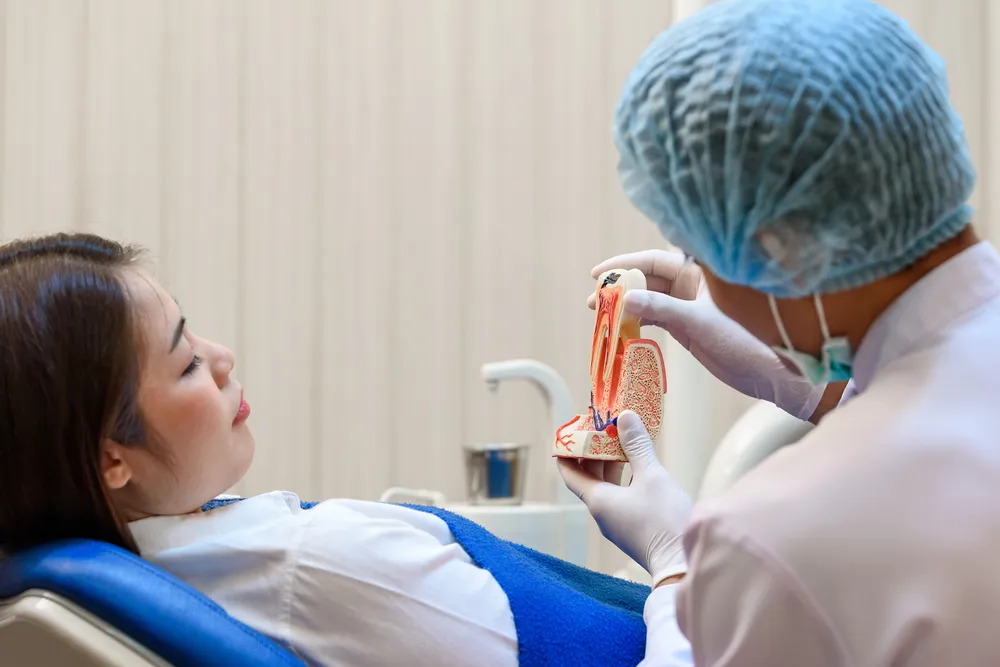
What Restorative Dentistry Includes
Restorative dentistry encompasses the procedures and treatments used to repair damaged teeth and replace missing ones. It includes fillings, crowns, bridges, dentures, dental implants, root canal therapy, and inlays and onlays. The goal is always to restore the tooth to its natural shape, strength, and function while preserving as much healthy tooth structure as possible.
Restorative treatments also address the consequences of tooth loss, including shifting teeth, bite misalignment, difficulty chewing, and jawbone deterioration. Replacing missing teeth is not only an aesthetic concern but a health concern, because untreated gaps in the dental arch create a cascade of problems that worsen over time.
Common Restorative Dental Treatments
Tooth-Colored Fillings
Composite resin fillings repair teeth damaged by cavities. They match the natural tooth color and bond directly to the tooth structure, providing a durable, aesthetically pleasing restoration that preserves maximum healthy tooth.
Dental Crowns
Crowns restore teeth that are too damaged for a filling. They cover the entire visible portion of the tooth, providing strength, protection, and a natural appearance. Crowns are commonly placed after root canal therapy, on teeth with large fractures, and on teeth with extensive decay.
Dental Bridges and Dentures
Bridges replace one or more missing teeth by anchoring to adjacent natural teeth, while dentures replace multiple or all teeth in an arch. Both options restore chewing function, support facial structure, and improve the appearance of the smile.
Dental Implants
Implants are the gold standard for replacing missing teeth. A titanium post is placed in the jawbone, and a custom crown is attached after healing. Implants preserve jawbone health, protect adjacent teeth, and function like natural teeth. They represent the most durable and complete tooth replacement available.
Root Canal Therapy
Root canal treatment saves a tooth that has been infected or severely damaged by removing the diseased pulp tissue, disinfecting the canals, and sealing the tooth. It eliminates pain, clears infection, and preserves the natural tooth, which is why it is preferred over extraction whenever possible.
Why Restorative Dentistry Matters
Untreated dental damage does not improve on its own. A cracked tooth will eventually break further. A cavity will continue to grow. A missing tooth will cause neighboring teeth to shift. Restorative dentistry intervenes at the right time to stop these cascading problems and restore the mouth to proper function.
Beyond function, restorative treatments improve comfort and confidence. Patients who have been living with pain, difficulty eating, or embarrassment about their smile experience meaningful improvements in quality of life after restorative treatment. That matters because oral health directly affects nutrition, social interaction, and overall well-being.
How Jace Dental Care Provides Restorative Dentistry in Victoria, TX
Dr. Jae Kwak, DDS, PhD, takes a conservative approach to restorative dentistry, prioritizing the preservation of natural tooth structure while ensuring durable, functional results. The practice offers the full spectrum of restorative services, from simple fillings to complex implant restorations. To explore the complete list of services, visit jacedentalcare.com/services. For tips on protecting dental restorations, check the Jace Dental Care blog. To schedule a consultation, call (361) 573-3841 or visit jacedentalcare.com/contact-us.
Get in touch